Versiune în română

I have skipped posting for a few days (again) and I blame Sibiu for that – it turned out to be a great city :) and with all the events going on I had no time for posting. I will try to make up for that in the next few days.

Versiune în română

Versiune în română

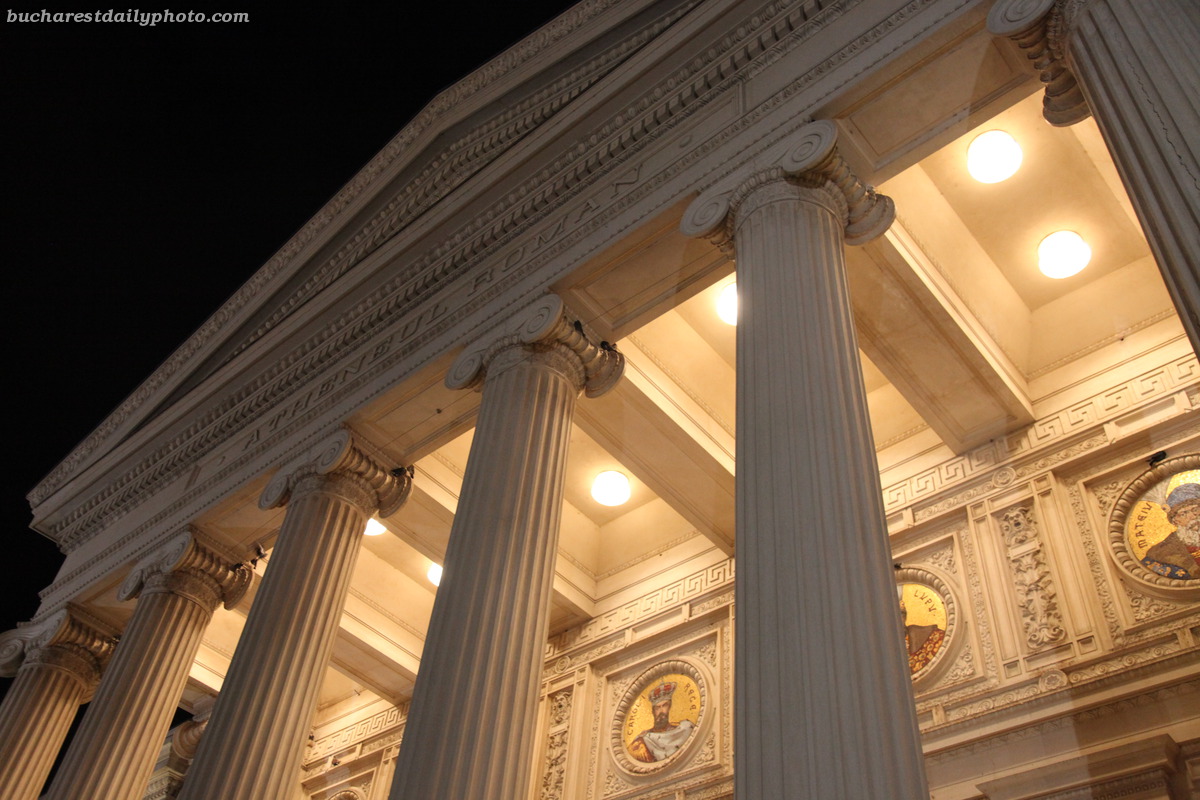
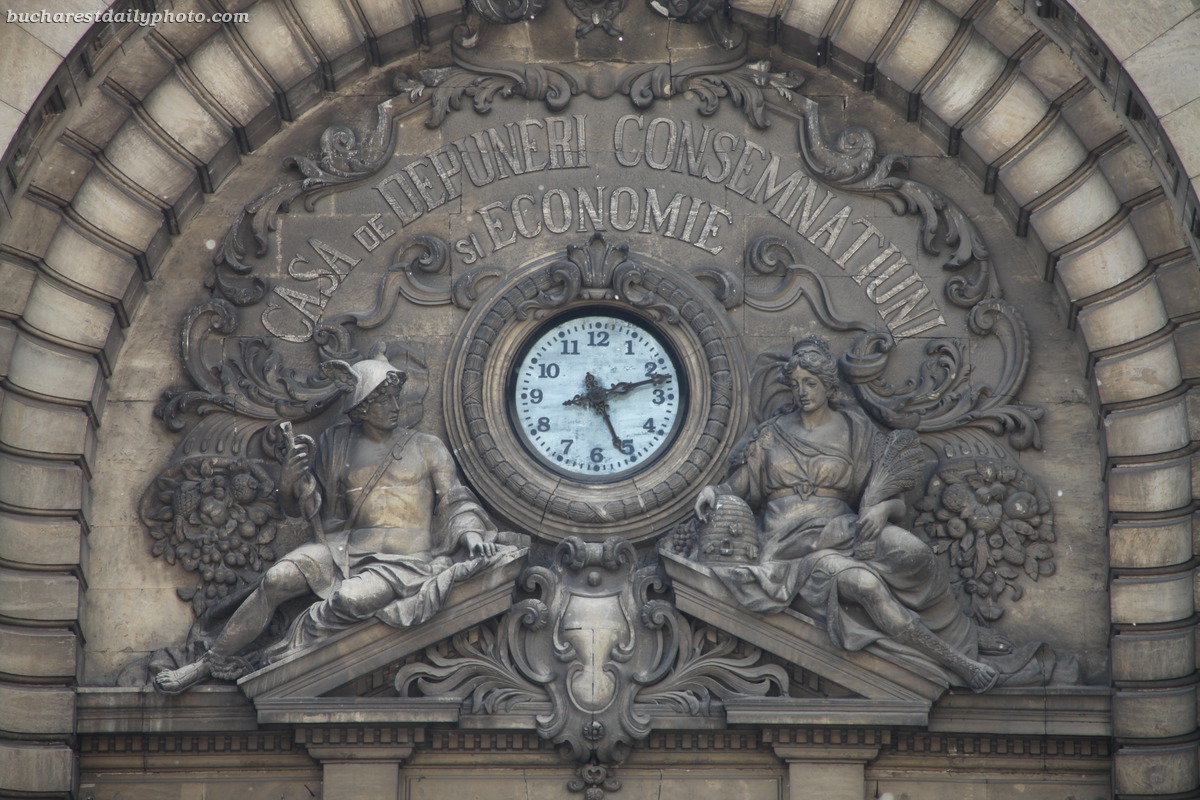
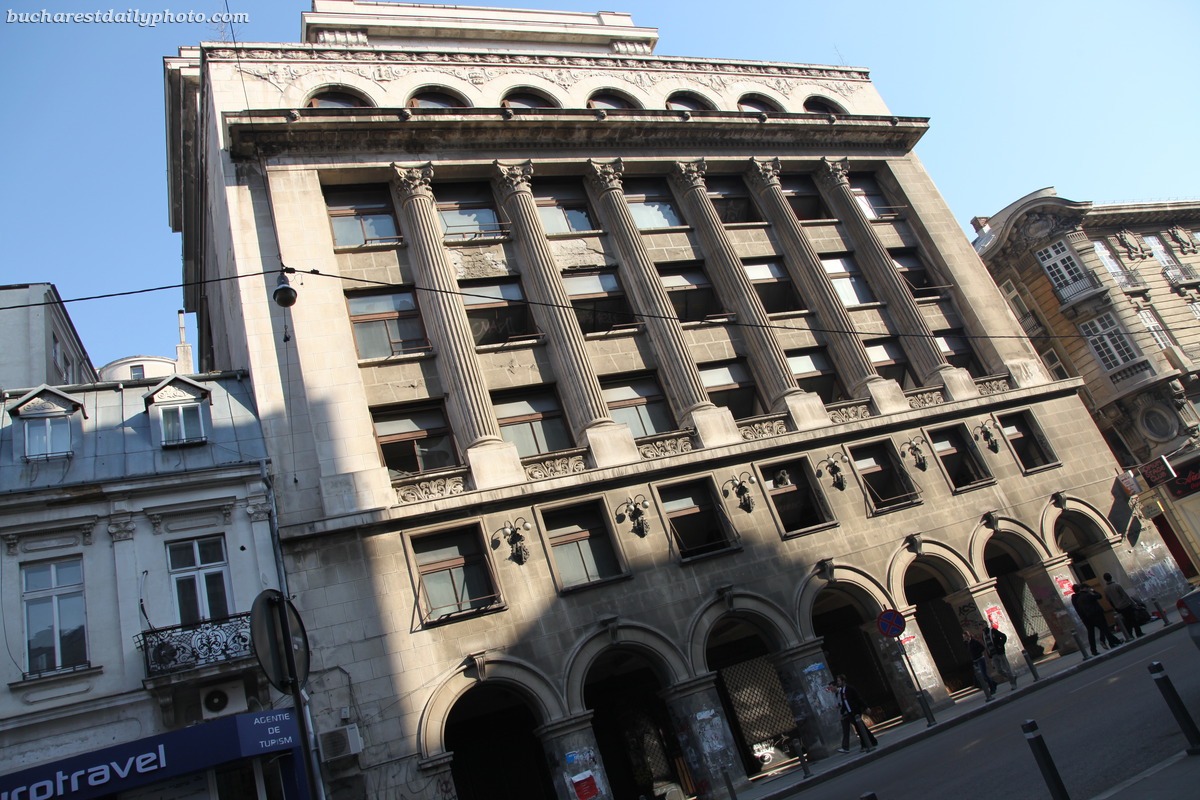
Above the entrance to the C.E.C. Palace (National Savings Bank)

Versiune în română

Recently restored and looking better than ever. The hotel was built in 1886 by architects Emil Ritten Forster and I.I. Râşnovanu in German Renaissance style. It replaced another hotel, located on the same spot, Grand Hotel Broft which took its name from one of the former residents, Carol Broft.

Versiune în română

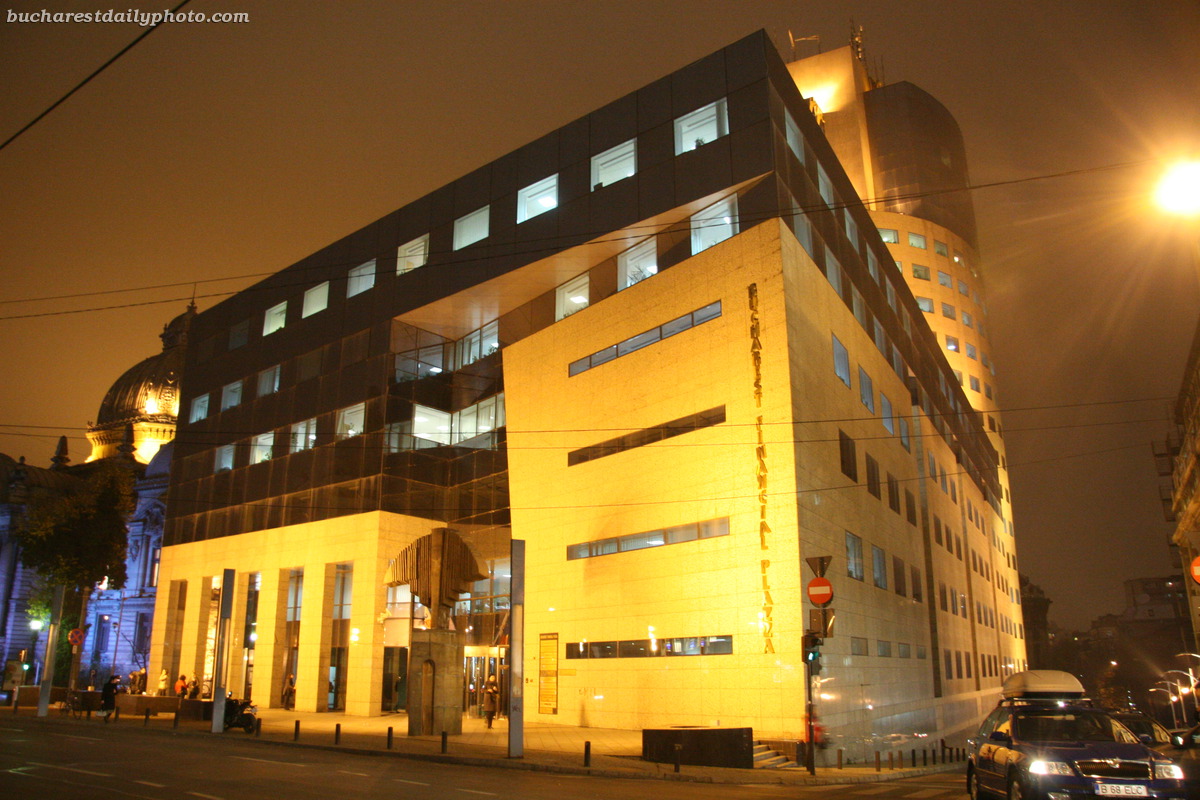
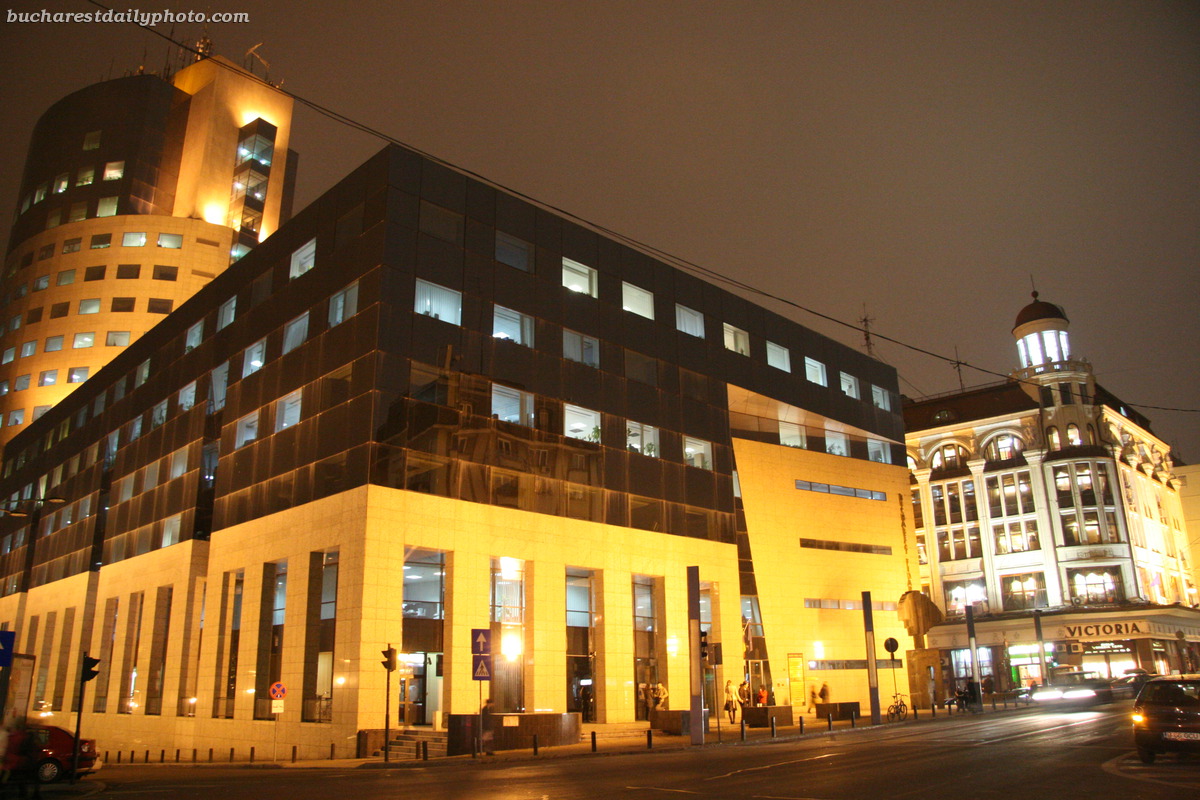
Two night shots of Bucharest Financial Plaza on Calea Victoriei

Versiune în română

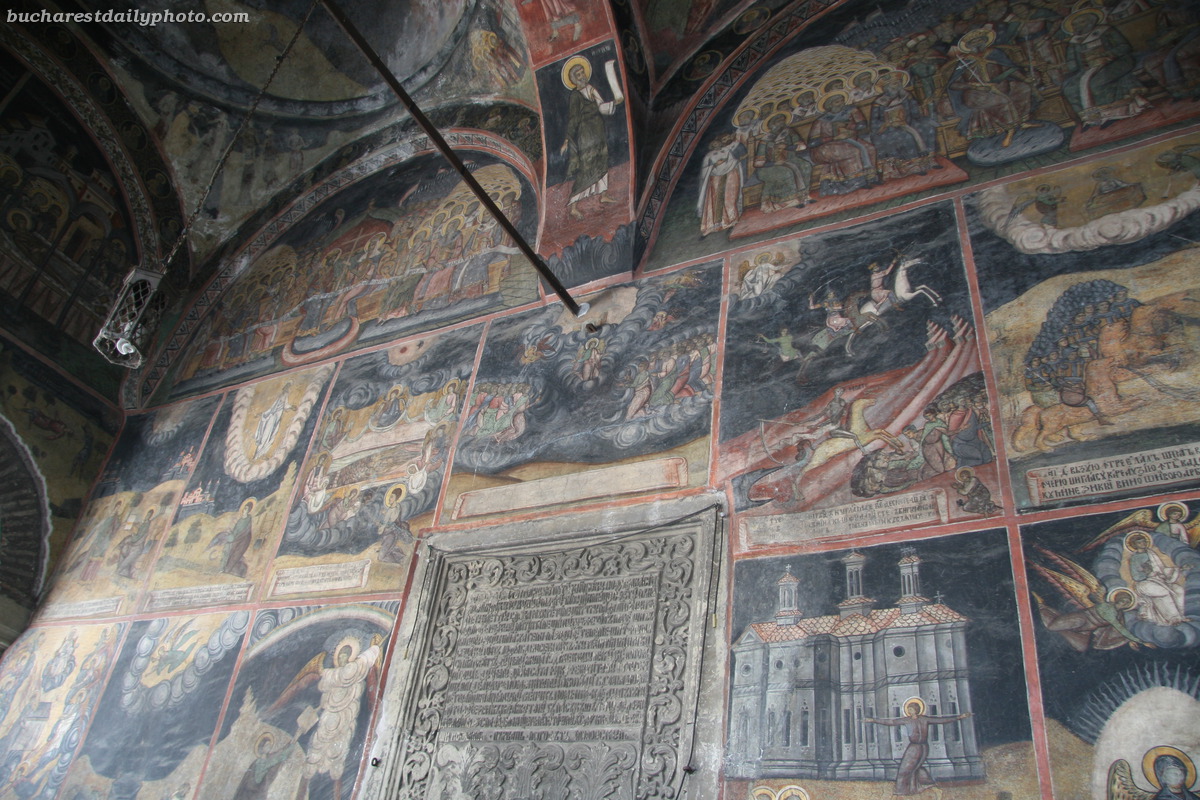
On the road and struggling with a slooow Internet connection so I’ll keep it short. Today’s photo shows the beautiful frescoes of the Kretzulescu church’s porch.

Versiune în română

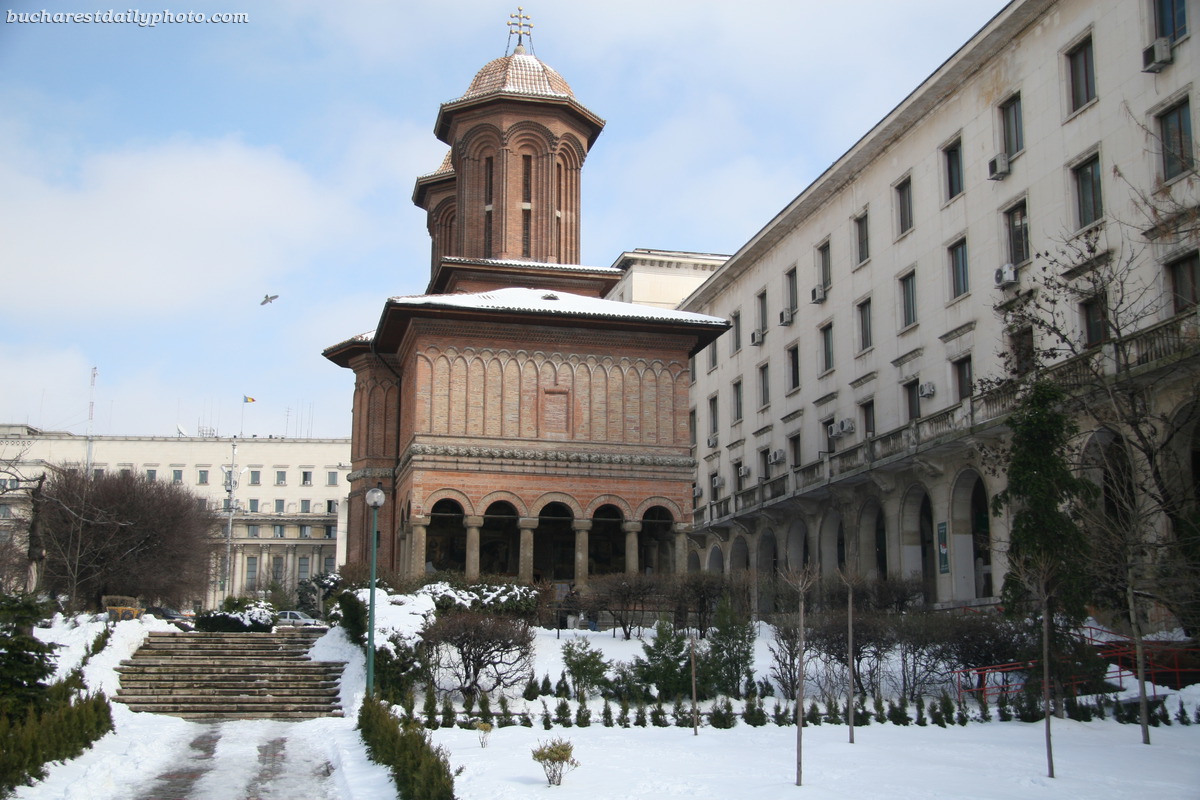
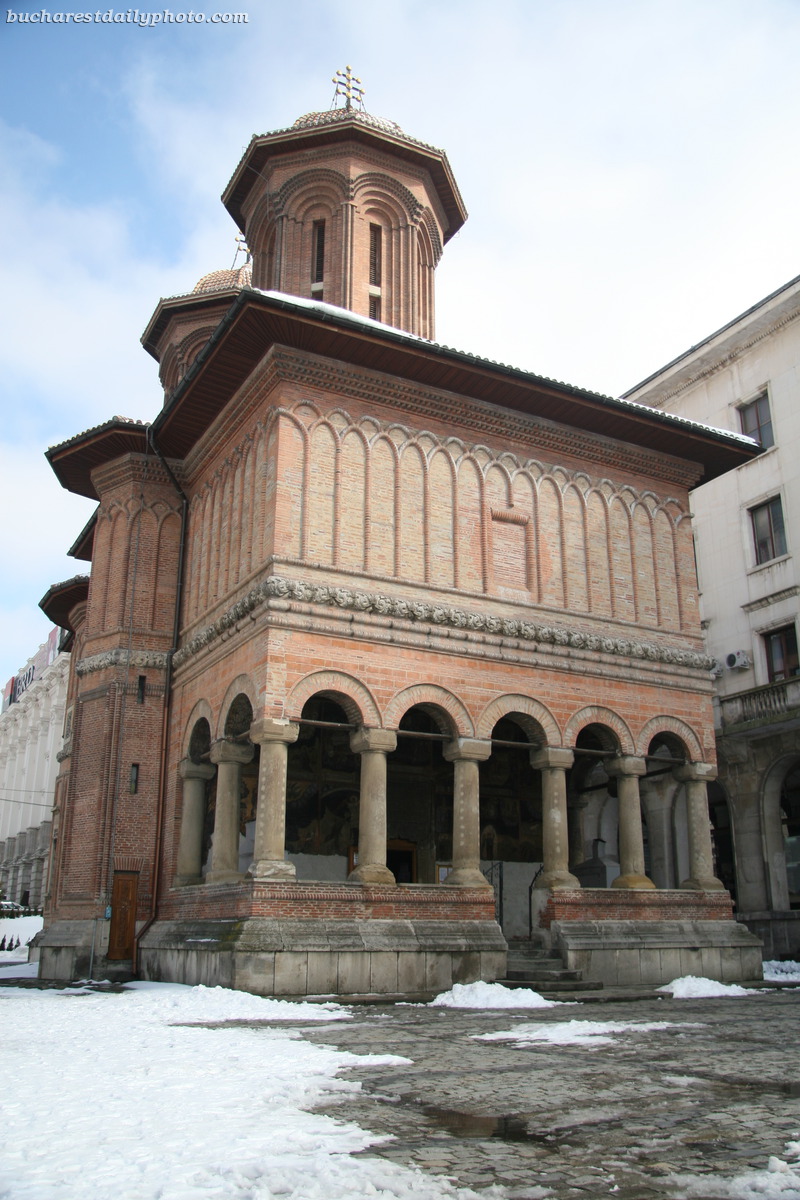
Kretzulescu Church aka Creţulescu Church is an Eastern Orthodox Church located on one of the corners of the Revolution Square, by the former Royal Palace. This red brick beauty is one of the oldest churches in Bucharest, being built between 1720-1722 by the boyar Iordache Cretulescu and his wife Safta, a daughter of prince Constantin Brâncoveanu. The church is built in the style created by Constantin Brâncoveanu, a seventeenth century ruler of Wallachia, who commissioned numerous buildings during his reign and set out to create a distinctive national genre of architecture. The exterior of the church was originally painted, but the paint was removed during the 1935-1936 renovations, conducted by architect Ştefan Balş. More renovations were done after the 1977 earthquake and the Revolution of 1989. During the communist regime the church was scheduled for demolition but it was saved through the intervention of architects.

Versiune în română

This beautiful house on Calea Victoriei that nowadays houses the Art History Institute, was built in 1910-1912 by architects Grigore Cerchez and Alexandru Clavel. It is considered a great example of the Neo-Romanian style of architecture, which was very popular in Bucharest at the end of the 19th century beginning of the 20th. The Neo-Romanian style builds on Brâncoveanu-style, a traditional style developed during the reigns of Constantin Brâncoveanu (1688–1714) which integrated local peasant architectural tradition with Byzantine and Ottoman elements. The Neo-Romanian was the answer to the attempts of creating a national style in Romanian architecture. The house was built on the site of a 17th century construction and makes use of its preexisting walls. The owner of the building was the jurist Constantin Dissescu (1854-1932), a university professor who was the author of the first Romanian textbook on constitutional law. For a brief period of time Dissescu also served as the Minister of Justice and helped draft the 1923 Romanian constitution.

Versiune în română

Versiune în română

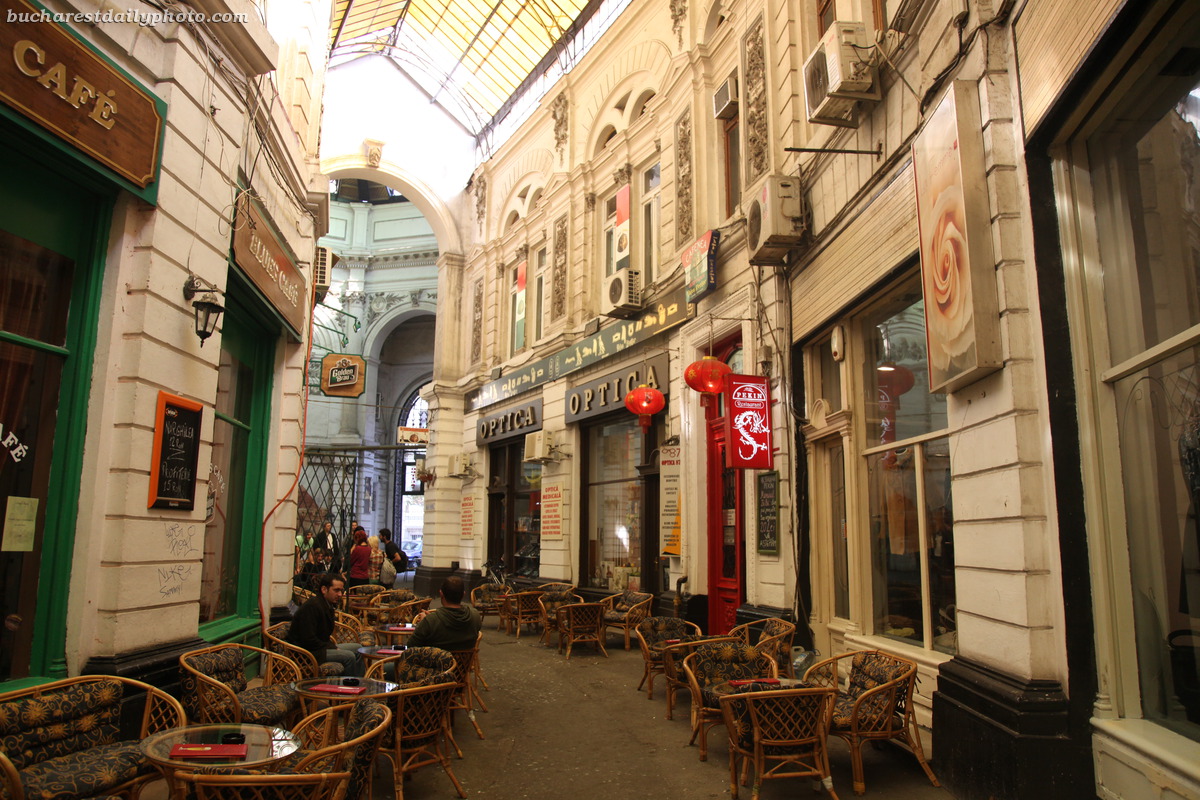
Today is Theme Day at the City Daily Photo community, a monthly event that happens the first day of every month, when all participating blogs will post a picture that relates to the theme day’s description. Today’s theme is: Passageway. Click here to view thumbnails for all participants

The covered English Passage is one of Bucharest’s historical passages linking Calea Victoriei with Academiei Street. It was built in 1885 and took its name from Hotel English which stood at one end of the passage, on Calea Victoriei. Some of the hotel rooms were located inside the passage. A few years later the hotel was converted into a luxury brothel (!), very famous at the times. The brothel lasted until 1947 when it was closed by the communists and the building was changed into apartments building. As you can see from the picture the passage is in really bad shape, even though I’ve read somewhere that it’s on the list of historical monuments. I hope the money to repair it will be found soon, before the passage is lost forever.