Versiune în română

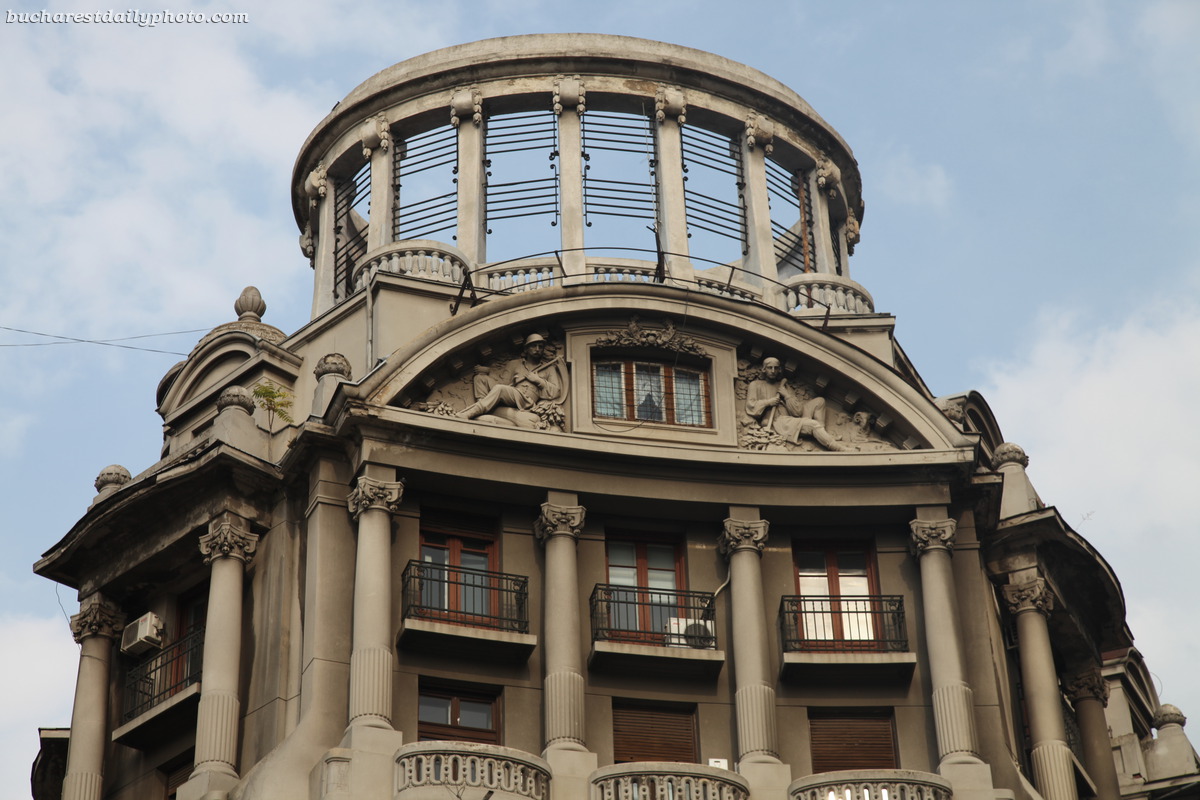
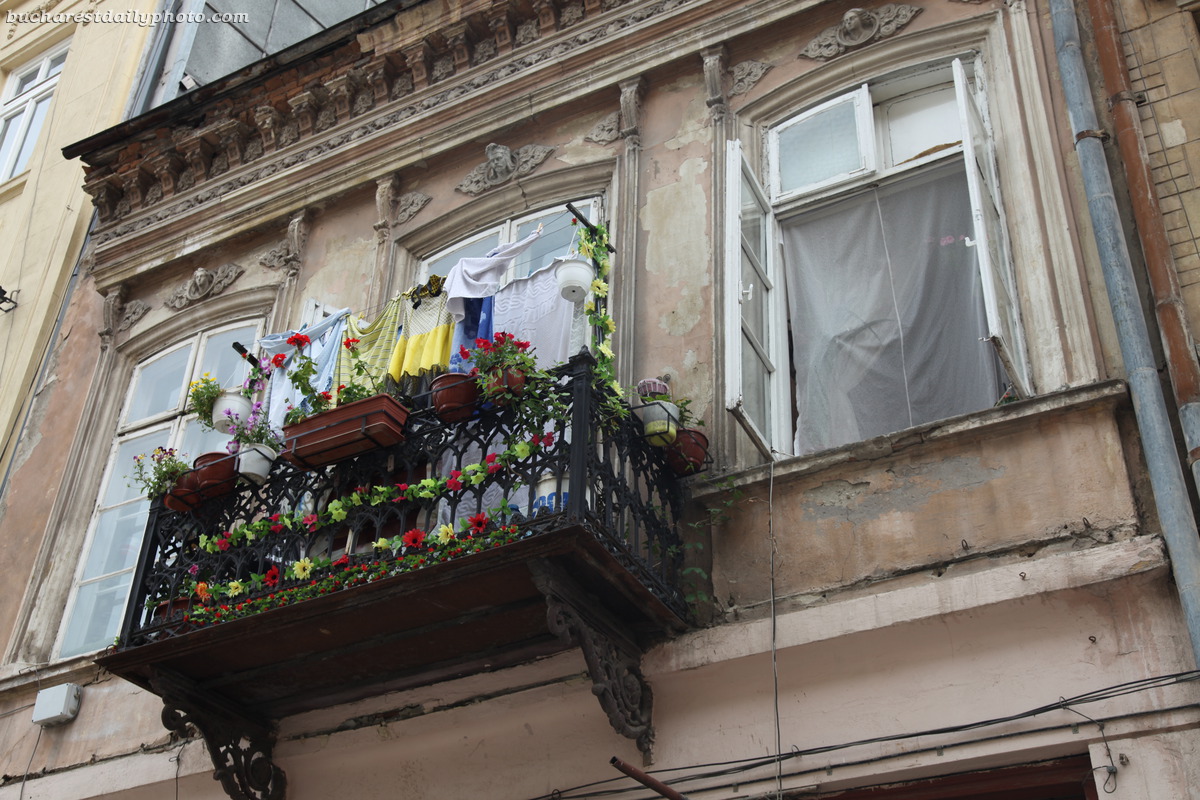
Today’s photograph shows the balcony of an old house (circa 1860s) on Franceză Street, in Bucharest’s Old Town. The house is in a bad shape, with crumbling walls and peeling paint but someone went to the trouble of decorating the balcony – as they knew best :)

Versiune în română

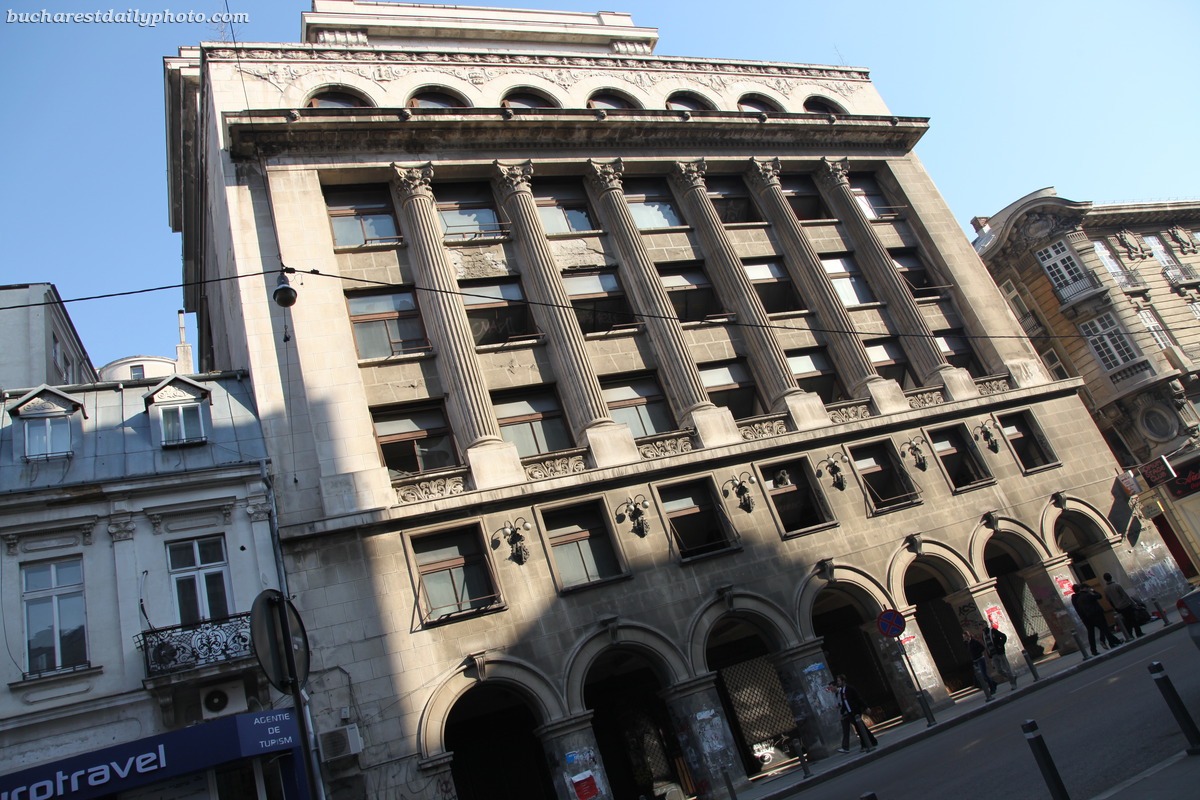
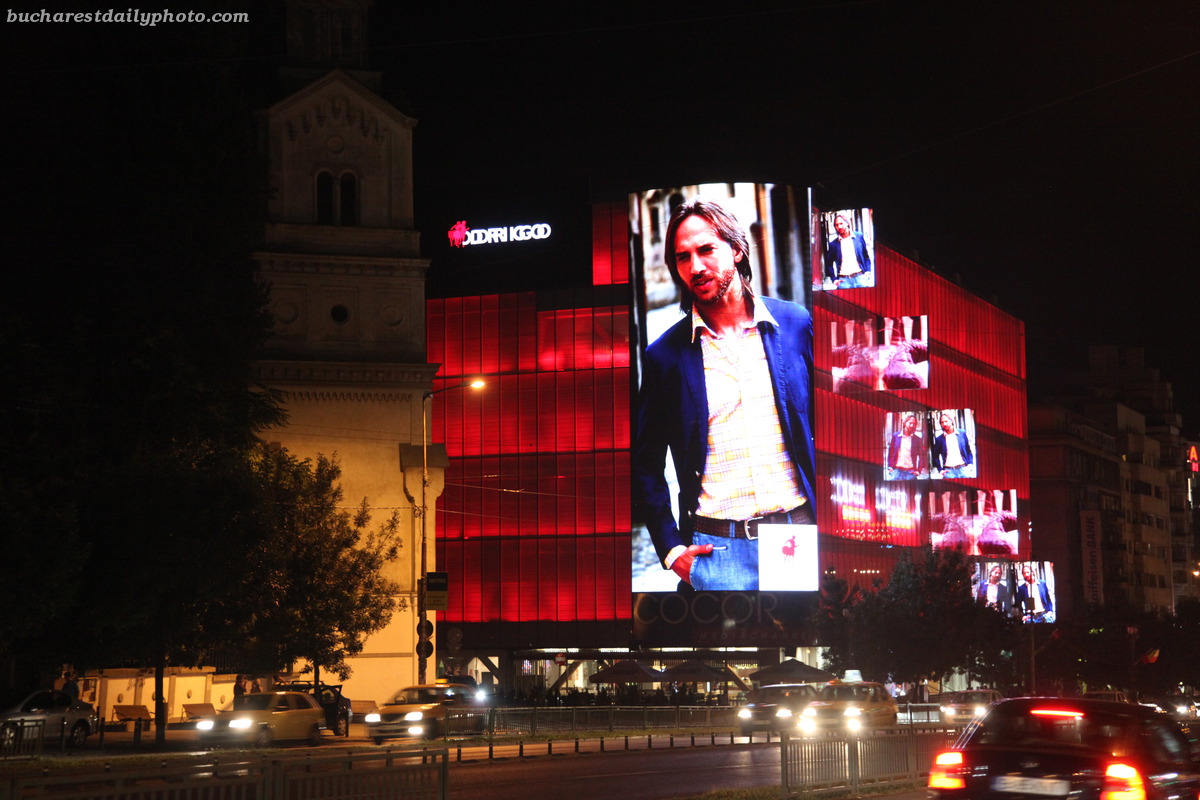
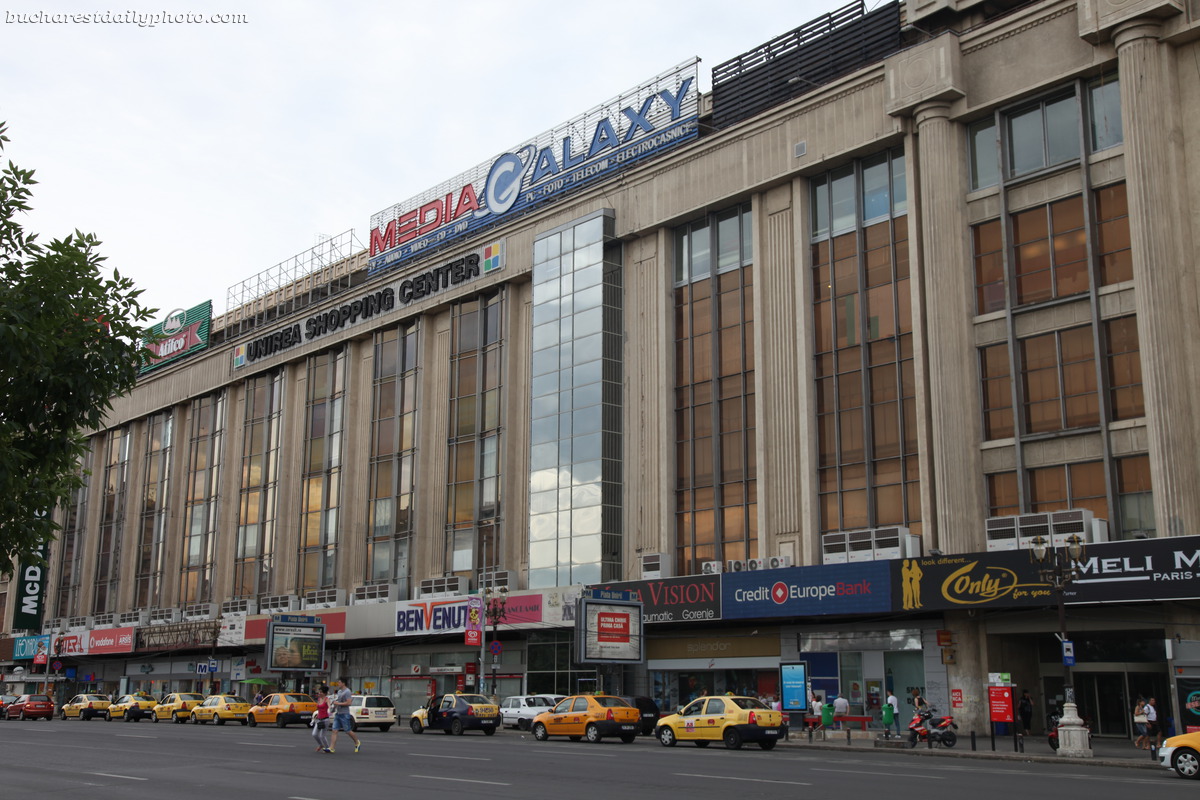
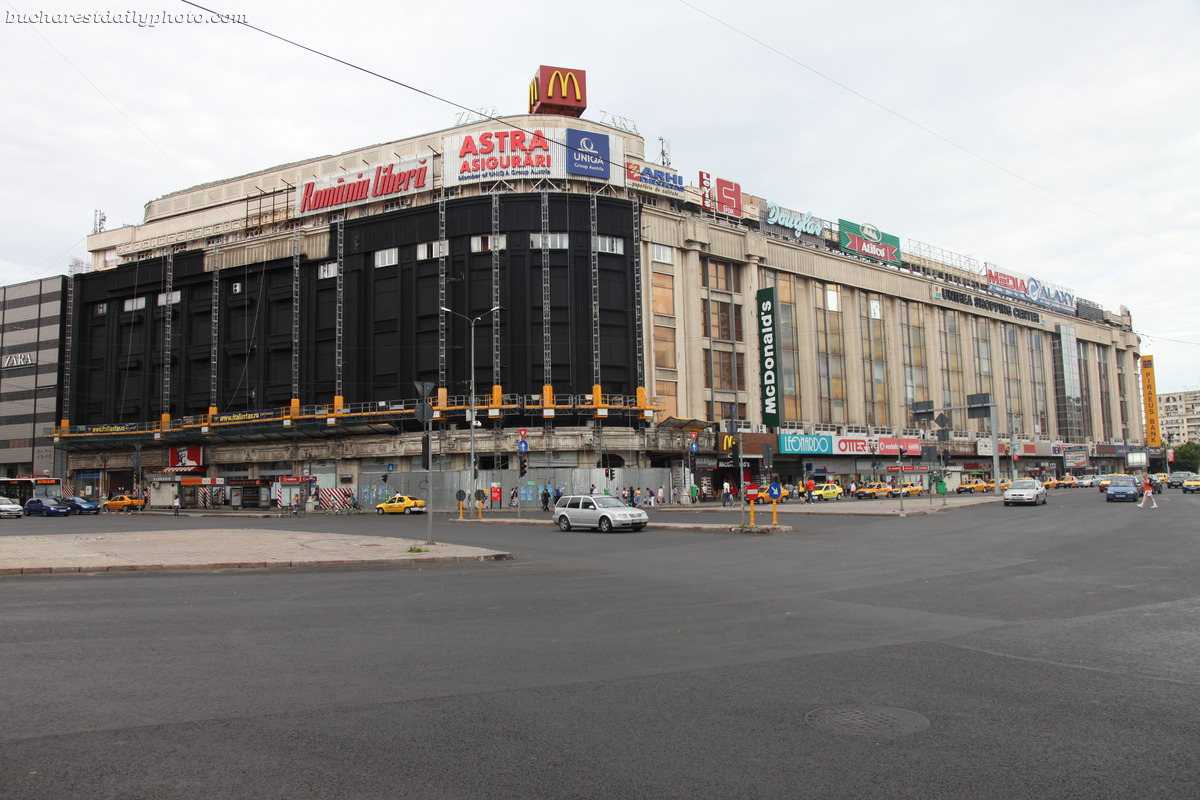
The works being done to Unirea Shopping Center allow us a to gaze on a rare sight :) the facade of the building without the advertisement banners. The commercial center was built in 1977 and remodeled in 1986.

Versiune în română

This is another shot of the Museum of the City of Bucharest, this time showing the whole building. I took the photo back at the beginning of April when the trees were still bare.

Versiune în română

These two shots show the mansion that houses the Museum of the City of Bucharest which is located in the University Square. The building is also known as Suţu Palace after the name of its builder, Costache Suţu. It was raised in 1833-1835 following the plans of Viennese architects Conrad Schwink and Johann Veit. The style of the building is considered to be neo-gothic. The palace was inherited by Costache Suţu’s son, Grigore Suţu, which together with his wife Irina, hosted many balls, receptions and dances at the palace, attracting Bucharest’s high society. After their death the palace was passed on, hosting first the headquarters of the Chrissoveloni Bank and later the offices of Romania’s National Savings Bank. In 1959 it became the Museum of History of the City of Bucharest.

Versiune în română

I have skipped posting for a few days (again) and I blame Sibiu for that – it turned out to be a great city :) and with all the events going on I had no time for posting. I will try to make up for that in the next few days.

Versiune în română

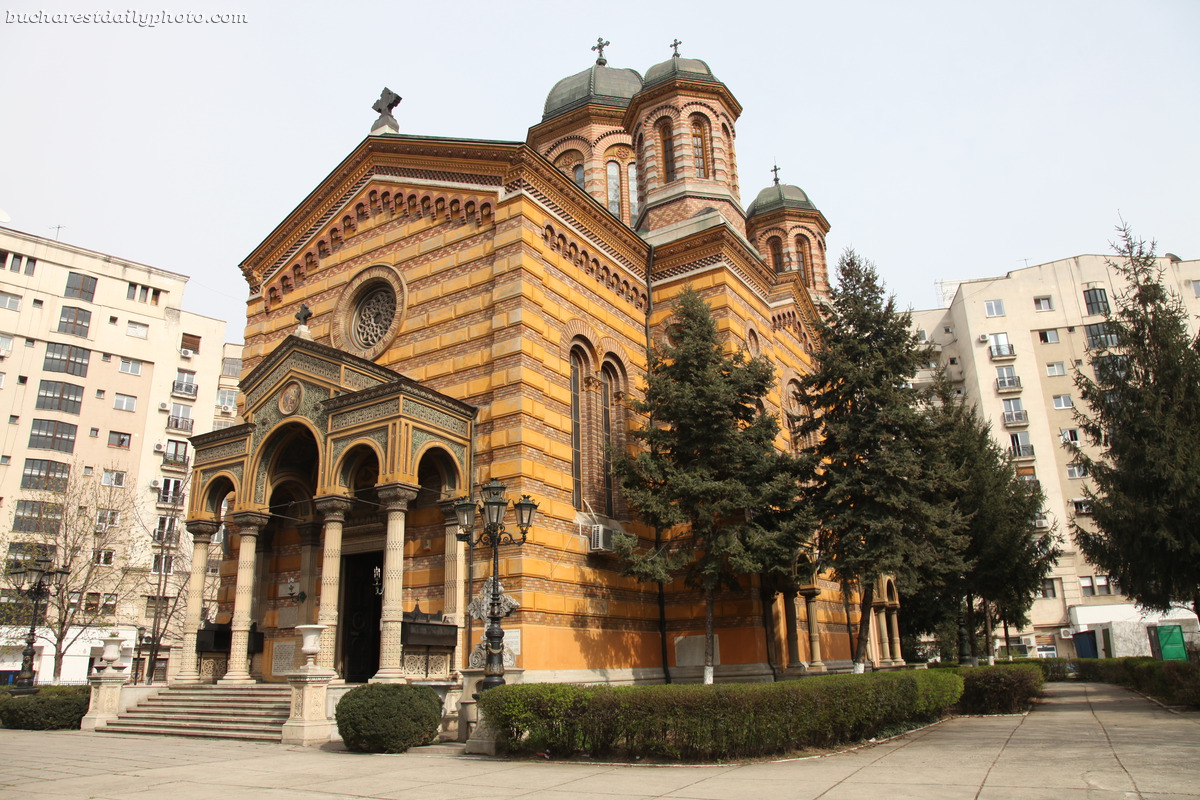
Today’s photographs show Bucharest’s Anglican Church of the Resurrection, located near Icoanei Park, at the intersection of three streets. Like many other churches in Bucharest, it has an interesting past. It was built in 1913-1914 on land given to the British Crown by the city of Bucharest. It was opened in 1920 and dedicated in 1922 by the Bishop of Gibraltar. In the early days the church was regularly attended by the Queen Marie of Romania, granddaughter of Queen Victoria, and it was due to her help that the building was completed. The church was closed during WWII from 1940 to Christmas Day 1944, a period when it was under the care of a church guardian and cleaner, also named Maria, who continued to work at the church until 1983 when at the age of 78 was forced to retire. She was later presented with the bronze cross of the Order of St. Augustine of Canterbury by the Archbishop of Canterbury. After the communists took power the church had no permanent chaplain, being served monthly by visiting priests. This situation lasted until 1966. The church’s official webpage describes the harsh conditions of the late 1980s when the church was under constant surveillance and how “the few Romanians who dared to step inside risked losing their job, their home, even their freedom”. These days the church offers English language services every Sunday. The building’s red brick facade is reminiscent of British architecture, and is the work of architect Victor Gh. Ştephănescu.

Versiune în română

Versiune în română

Gheorghe Lazăr High School is Bucharest’s second oldest high school, being opened in 1860. It is named after Gheorghe Lazăr, a Transylvanian-born Romanian scholar who founded the first Romanian language school in Bucharest in 1818 and whose statue was featured on this blog last January. The high school is one of the most famous in Bucharest and its location at the southeast corner of Cişmigiu park is unbeatable: what better place to go to when you’re skipping classes? :)

Versiune în română

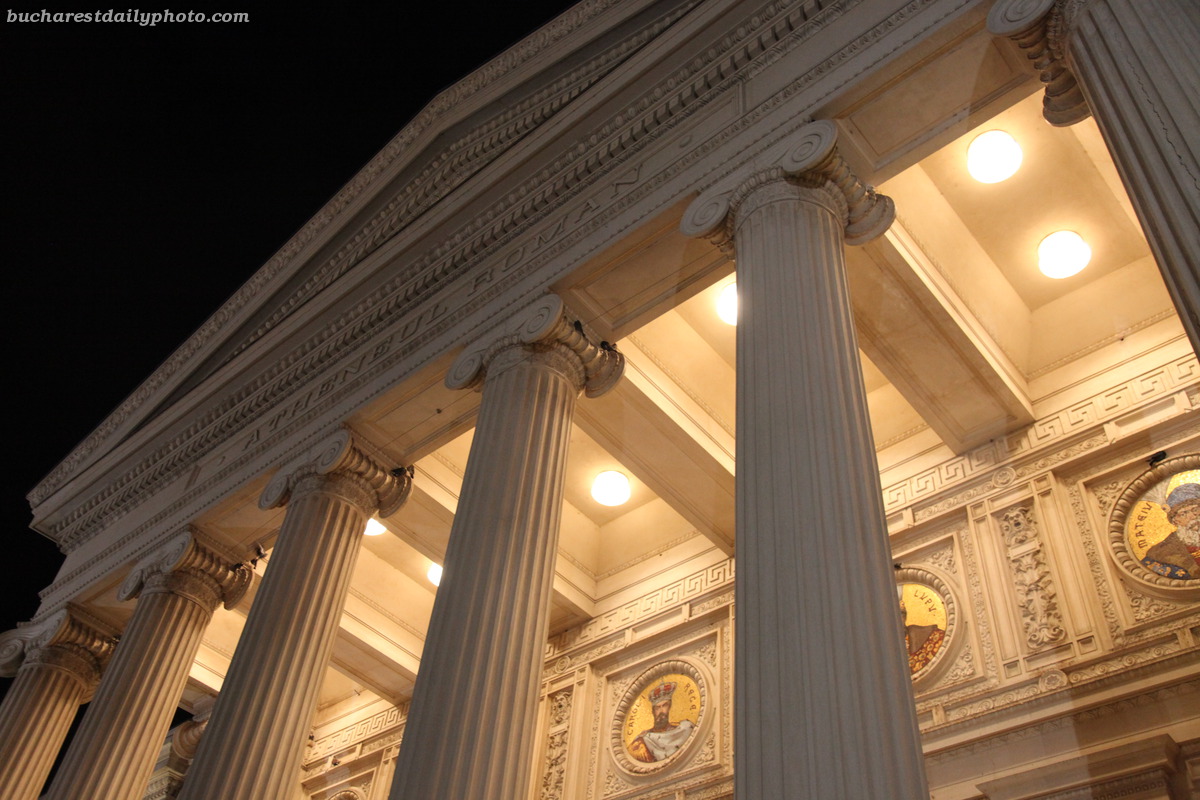
Despite its classical look, the theater building featured in today’s photo is actually not that old. Its former name should give away its approximate age. Until 20 years ago it was called “The Unity Among People Cultural House”. Does that ring a bell? :) It was build in 1953, during the first years of the communism regime, by architect Nicolae Porumbescu. These were the first years of communism in Romania and the style condoned by the regime was called “socialist realism“, the official artistic movement of the Soviet Union. The socialist realism required an artificial return to the classical theme, away from the modernist tendencies of the day. After the 1989 revolution the theater housed “The Mask” theater company (Teatrul Masca in Romanian) which later moved to another venue while this one is awaiting renovation (for quite some time now, but than I guess it’s not easy to gather the money to renovate it).

Versiune în română

Krikor Zambaccian (1889 – 1962) was a wealthy Armenian businessman and a lover of fine arts, who over the course of his life assembled a great art collection. În 1930 he asked architect C.D. Galin to design a house that will be used as living quarters as well as a museum for the art collection. In 1942 when the house was ready, Zambaccian opened his collection for public view once a week. The Zambaccian Museum was inaugurated in 1947 when Zambaccian donated his collection and the house to the Romanian state. The donation papers included the condition that the collection will remain in the house but in 1977 after the big earthquake the communist state moved the collection to the Art Collections Museum, citing imaginary concerns about the building’s structure. În 1992, after the fall of communism, the collection was returned to the house and the museum reopened. Most of the works are by Romanian artists (Nicolae Grigorescu, Ioan Andreescu, Ştefan Luchian, Jean Al. Steriadi, Gheorghe Petraşcu, Nicolae Tonitza, Nicolae Dărăscu, Theodor Pallady, Iosif Iser, Corneliu Baba, to name a few) starting with mid-19th century to the mid-20th century. There are also a few paintings by French artists like Delacroix, Renoir, Pissarro, Sisley, Cézanne etc. When I visited there were only 5 or 6 more visitors, so it feels like having the place to yourself. I can only imagine how it was to be living there.